My mother’s last words to me were, “Get out and never come back.”
So I left.
Five days passed after that call—nothing but silence from my parents.
Then the messages started. My dad reached out first.
“Your mom didn’t really mean it.”
“You know how she gets when she’s under stress.”
“Let’s forget this. You’re still on the mortgage.”
I didn’t answer.
Then my mother finally broke the quiet, mixing guilt with venom the way only she could.
“This is incredibly selfish.”
“We gave you everything.”
“Do you want us living on the street?”
“You’re abandoning your family.”
The irony was hard to miss.
They never called it abandonment when I was covering every expense—food, utilities, insurance, even my mother’s car registration, all under my name. It began innocently when I moved back home during college. I offered to help. Over time, help turned into expectation. Expectation became obligation. Eventually, it became survival—because if I didn’t pay, no one would.
I hadn’t realized how trapped I was until I left.
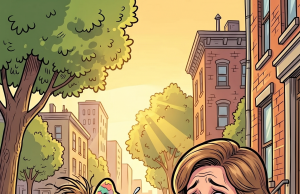
In my cramped studio apartment, I could finally breathe. I slept better. I lived on instant noodles, cooked on a hot plate, and danced to music while roaches crept along the walls.
But I was free.
Then the letter arrived.
From the mortgage company.
A notice of default.
They had assumed I would keep paying, even after being told to disappear. The bank didn’t share that assumption. Foreclosure proceedings were already underway.
Dad called again.
This time, furious.
“You’re really going to let this happen? We raised you. We put a roof over your head!”
I answered calmly. “And I paid to keep that roof standing. I’m not your financial hostage, Dad. I was your daughter—and you lost that when you stayed silent and let it happen.”
He tried a different approach. Bargaining. Promises that Mom would apologize. That everything would be different. I’d heard those promises before.
To them, I wasn’t a person. I was a payment method. A live-in ATM they believed owed them forever for being born.
But I didn’t owe them another chance.
Not when the first one had cost me my self-respect.
Months went by.
They lost the house.
The foreclosure became final in late October. I stumbled across the listing online—an out-of-focus photo of the front, stamped with a red foreclosure notice. I didn’t feel guilt. I felt finished.
Friends asked if I’d consider reconciling. “They’re still your parents,” someone said.
But that was never the issue.
Respect was.
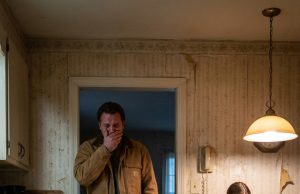
One Sunday, curiosity got the better of me, and I drove past the old house. It was boarded up. The yard choked with weeds. The mailbox gone. I parked across the street and sat there quietly for a while.
That house had consumed years of my life.
It had absorbed my crying through thin walls. It had witnessed silent meals thick with resentment. It had been a prison decorated with family photos.
Now it stood empty.
I never asked where my parents went. I blocked them both after Dad began calling from new numbers—cycling through guilt, threats, and desperate pleas. I didn’t respond.
I focused on rebuilding instead.
I worked extra shifts. Saved again. Took a night class. Landed a better job. Eventually, I moved into a cleaner place. A better one.
Every time I unlocked my own door, I reminded myself:
I had walked away from a lifetime of emotional debt—and I didn’t owe a single cent in return.
A year later, an email arrived from a cousin I barely knew.
“Uncle Rick told me what happened. I just wanted you to know—I think you did the right thing.”
I didn’t reply.
But I smiled.
Because for the first time, someone in my family said it out loud.
I wasn’t heartless.
I wasn’t wrong.
I was finally choosing myself.